AI Visibility Audit for Competitor Analysis
The Future of SEO: Why Your Company Needs an AI-Powered Visibility Audit Now
The SEO landscape is evolving at a rapid pace. Organizations are now required to acknowledge the value of AI visibility audits. These evaluations deliver key insights into digital presence and user behavior, vital for maintaining a competitive edge. As search engine algorithms advance, adapting to these changes becomes absolutely essential. Comprehending the ways an AI visibility audit can improve SEO strategies is fundamentally important. Still, a large number of organizations remain uncertain about what to anticipate from this process and its possible influence on their online visibility.
What Are AI Visibility Audits All About?
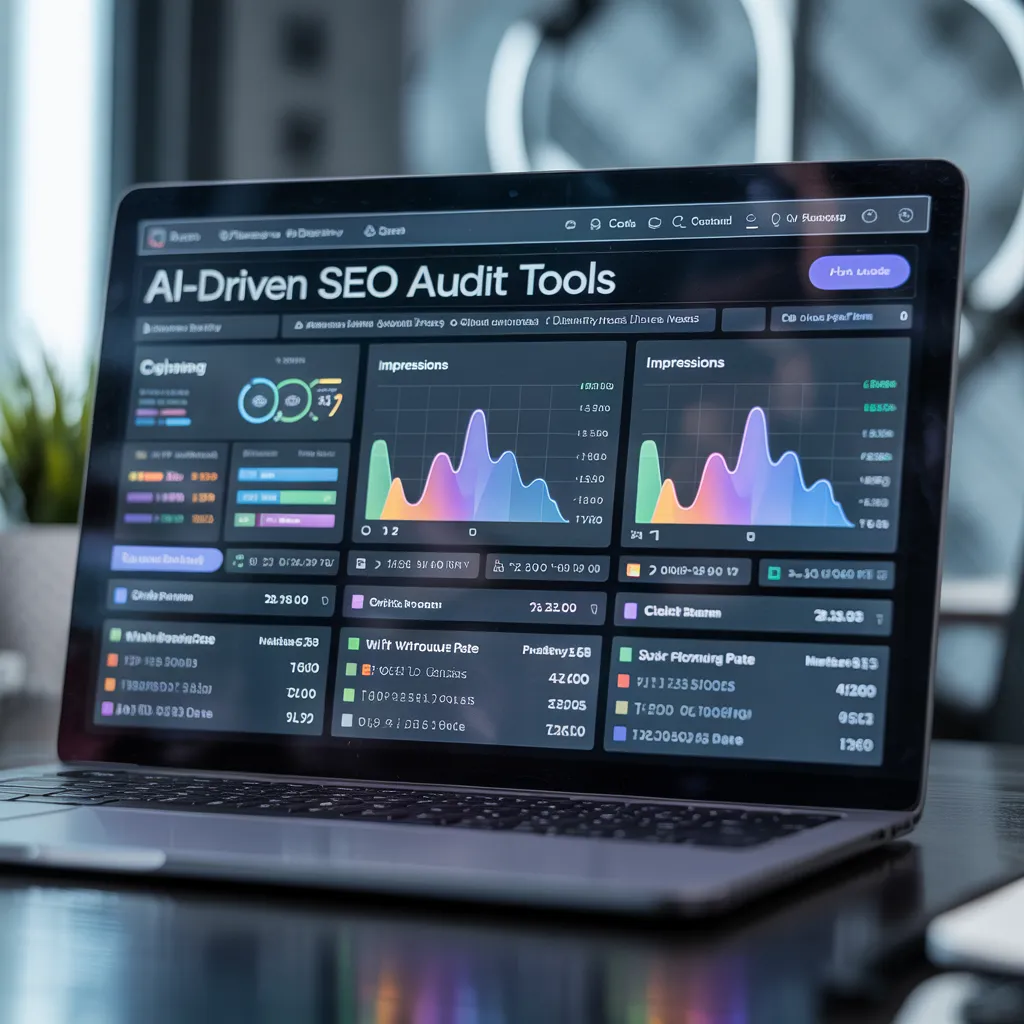
What precisely establishes the efficacy of AI visibility audits? These audits evaluate a business's online presence, leveraging sophisticated algorithms to assess presence across multiple digital channels. By gathering insights from search platforms, social media, and web pages, AI visibility audits deliver a detailed overview of how strongly a brand is positioned online. They analyze factors like content relevance, keyword performance, and competitor analysis, providing guidance on areas that require improvement.
Furthermore, these assessments leverage machine learning to uncover trends and anomalies in user behavior, facilitating strategic decision-making. The accuracy of AI technology enables real-time updates and adjustments, ensuring that businesses can pivot efficiently to fluctuating market demands. At its core, the value of AI visibility audits derives from their ability to produce strategic guidance, enabling companies to strengthen their tactics for better engagement and visibility in an rapidly expanding digital landscape.
Why AI Visibility Audits Boost Your Online Presence
AI visibility audits greatly enhance a brand's online presence by offering data-driven insights that support strategic planning. These audits examine multiple metrics, such as keyword rankings, website traffic, and user engagement, helping businesses to uncover areas that need improvement. By reviewing this data, organizations can strengthen their content and boost their search engine visibility, ultimately attracting more organic traffic.
Furthermore, AI-powered tools can detect key trends and data patterns that might be overlooked using conventional approaches, helping brands to stay ahead of competitors. This proactive approach promotes a more adaptive marketing strategy, allowing brands to pivot efficiently to evolving consumer habits and preferences.
In addition, the strategic directives derived from AI visibility audits empower organizations to refine their SEO tactics, creating a more unified internet footprint. Collectively, these audits serve as a fundamental aspect in creating and upholding a strong online presence in an ever-growing competitive marketplace.
How AI Adjusts to Search Algorithm Updates
AI technologies play an essential role in adjusting to shifts in search algorithms through live data processing. By consistently observing changes in search metrics, AI is able to generate valuable intelligence that supports business competitiveness. Furthermore, predictive trend insights allow companies to anticipate future shifts, guaranteeing they maintain a competitive advantage.
Real-Time Data Analysis
Harnessing real-time data analysis, modern digital marketing strategies can quickly respond to the continuously shifting realm of algorithmic search updates. This functionality empowers businesses to monitor changes in algorithm updates, user behavior, and search trends as they happen. AI technologies analyze enormous volumes of information in real time, delivering intelligence that enables companies to refine their SEO tactics without delay. By leveraging live performance data, organizations can determine which search terms and content formats connect most powerfully with their target audience, guaranteeing their continued relevance. Moreover, this flexible methodology minimizes the chances of outdated practices, allowing digital marketers to prioritize high-impact activities. Ultimately, up-to-the-minute analysis is vital for sustaining prominence in search rankings and driving long-term digital success.
Predictive Trend Analytics
Predictive trend insights play an essential role in how businesses navigate the challenges of shifts in search algorithms. By utilizing cutting-edge AI-driven analytics, businesses can predict evolving search patterns and algorithm modifications. This forward-thinking method enables organizations to refine their SEO strategies as needed, maintaining ongoing visibility and significance. AI-powered solutions examine large datasets to detect developing trends, empowering organizations to outpace their competition. Additionally, these insights help in optimizing content and keywords tailored to future search patterns. As search engines evolve, companies leveraging predictive insights are more capable of adapting rapidly, sustaining their positions and improving overall user engagement. Ultimately, integrating AI-driven predictive insights into SEO strategies is vital for long-term digital success.
Key Metrics to Prioritize in Your Visibility Audit
An effective visibility audit copyrights on several key metrics that reveal how a website performs in search engine rankings. To begin with, organic traffic is a vital factor, because it reflects the quantity of users reaching the site through search engines. Next, keyword rankings serve as a benchmark for visibility; analyzing these aids in determining which terms attract visitors and where optimization is necessary.
Furthermore, click-through rate (CTR) evaluates how often users click on a web page's link in search engine results, demonstrating the effectiveness of page titles and meta descriptions. Bounce rate offers information about user interaction, highlighting how many visitors abandon the site after visiting a single page.
In conclusion, domain authority functions as a critical indicator that examines a site's trustworthiness and ability to rank highly in search engine results. By emphasizing these metrics, businesses can gain an extensive understanding of their web presence and pinpoint opportunities for improvement.
Real Results Derived From AI Visibility Audits
AI visibility audits have transformed the way businesses assess their digital performance. By utilizing sophisticated algorithms, these audits offer in-depth analysis of website effectiveness, uncovering key areas for enhancement. For instance, a mid-sized e-commerce company achieved a 30% boost in organic traffic after acting on insights from their AI visibility audit. This included improving keyword targeting and enhancing web structure.
A further illustration is demonstrated by a community-based company who experienced a 25% boost in generating leads through improved local SEO strategies uncovered through the audit process. The data-driven approach of AI visibility audits empowers businesses to focus on initiatives that yield tangible results. Businesses have documented not only improved search rankings but also increased user interaction and conversion rates. As companies progressively integrate digital marketing channels, the real-world success stories resulting from AI visibility audits confirm their indispensable value in contemporary search optimization approaches.
A Guide to Implementing an AI Visibility Audit
Conducting an AI-driven visibility audit demands a methodical framework to enhance its benefits. Initially, enterprises should examine their ongoing digital profile by aggregating insights from multiple analytics platforms. This encompasses website traffic, keyword positions, and user engagement metrics. Next, they need to identify critical performance benchmarks (KPIs) that reflect their objectives, such as conversion performance and organic search presence.
Once the data has been gathered, organizations can utilize AI tools to examine patterns and extract insights. This analysis should focus on uncovering key strengths, shortcomings, and improvement opportunities within their search engine optimization strategy.
Following the review, businesses should generate an thorough summary presenting results and strategic recommendations. Subsequently, applying the recommended changes and consistently tracking performance will establish that the AI visibility assessment remains effective. By adhering to this process, organizations can improve their digital presence and achieve sustainable growth in a competitive market.
Elevate Your SEO Strategy With AI
Revolutionizing search engine optimization efforts with AI can considerably enhance a business's online standing. By harnessing sophisticated algorithms and AI-driven learning, businesses can process large volumes of data to discover insights and trends that traditional methods might miss. AI-powered solutions can enhance the selection of keywords, improve content quality and relevance, and tailor campaigns to target specific demographics with increased accuracy.
Furthermore, AI elevates user experience by customizing content suggestions, increasing engagement, and reducing bounce rates. Leveraging real-time analytics, companies can swiftly modify their approaches based on critical performance data, helping them maintain a competitive edge in a dynamic digital landscape.
Integrating AI into the SEO structure not only streamlines processes but also fosters innovative approaches to content creation and distribution. As search engines evolve, implementing AI-based find the facts techniques will be vital for organizations looking to maintain visibility and relevance. Adopting this technological evolution enables businesses to take advantage of new possibilities within the dynamic landscape of digital marketing.
Frequently Asked Questions
How Much Should You Expect to Pay for an AI Visibility Audit?
An AI visibility audit typically costs between $500 and $5,000, depending on the complexity and scope of the analysis. Elements that affect the cost encompass the size of the website, the depth of the audit, and the specific tools utilized. Companies may also encounter varying rates based on the expertise of the service provider. At the end of the day, organizations ought to assess their individual goals and budget when determining the right audit service.
How Often Should I Conduct an AI Visibility Audit
AI visibility audits should be performed at least once every six months. This cadence helps organizations keep pace with updates in algorithms, market movements, and competitive conditions. Consistent audits assist in uncovering new opportunities and areas requiring enhancement, ensuring that digital strategies remain effective. In rapidly evolving industries, quarterly reviews might be beneficial to adjust quickly to evolving consumer trends and technological developments, optimizing total digital visibility.
Are AI Visibility Audits Beneficial for Small Businesses?
Yes, small enterprises can tremendously benefit from AI visibility audits. Such audits deliver clarity regarding web presence, helping identify strong points and areas for improvement. By leveraging AI, small enterprises can evaluate rival business tactics, enhance their digital content, and strengthen their search engine rankings. This data-driven approach enables them to reach well-informed conclusions, enhance customer engagement, and ultimately boost sales performance. All things considered, AI visibility audits enable small enterprises to compete more effectively in the online marketplace.
What Tools Are Employed in AI Visibility Audits?
AI visibility audits utilize various tools to assess online visibility and operational performance. Key tools include SEO software like SEMrush and Ahrefs, which assess site health and keyword rankings. Moreover, machine learning algorithms analyze content relevance and user engagement metrics. Analytics platforms, such as Google Analytics, offer comprehensive insights regarding web traffic and visitor behavior. Combined, these tools allow businesses to pinpoint strengths and weaknesses, enhancing their overall digital visibility and strategic planning.
Is Training Necessary for Effectively Interpreting Audit Results?
Absolutely, training is frequently necessary to effectively interpret audit results. Grasping the complexities of data analysis, SEO metrics, and AI-driven insights can be demanding. Those with a background in digital marketing, analytics, or related fields are more capable of analyze these outcomes correctly. Additionally, knowledge of the particular tools employed in audits improves one's capacity to draw meaningful conclusions, enabling organizations to develop well-informed strategies grounded in the results.